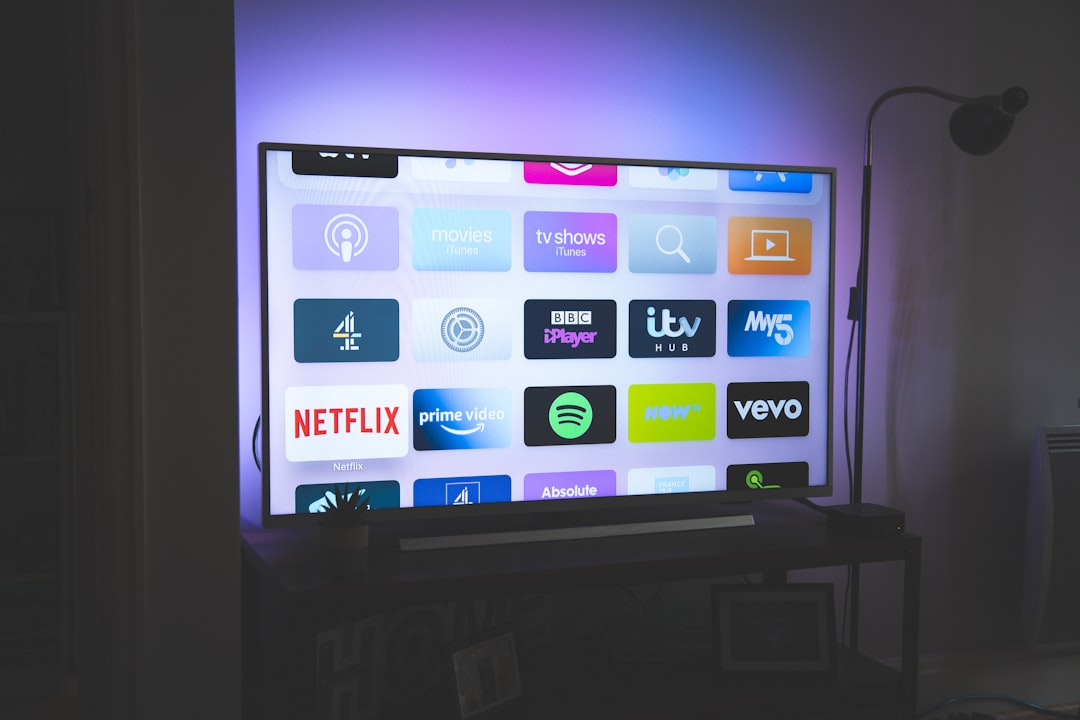

The Rise of IPTV in Belgium: A New Era of Streaming Freedom
Belgium is experiencing a major shift in the way people watch television. Traditional cable packages are no longer the only route to entertainment, sport, news, and international content. Across the country, more viewers are turning to IPTV in Belgium as a flexible, internet-based alternative that better matches modern habits. Whether households want on-demand access, multilingual programming, or the freedom to watch on multiple devices, IPTV is becoming an increasingly attractive option. As streaming culture matures and consumers demand more control, Belgium is entering a new era of viewing freedom where convenience, personalization, and variety are taking center stage.
Why IPTV Is Gaining Ground in Belgium
The rise of IPTV in Belgium is closely tied to changing consumer expectations. Viewers no longer want to be tied to rigid schedules or expensive bundles filled with channels they rarely use. Instead, they want a service that fits around their lifestyle. IPTV delivers television through an internet connection, making it possible to access live channels, films, series, and replay features without relying on traditional broadcasting methods.
Belgium is particularly well suited to this transition. The country has strong broadband infrastructure, high digital adoption, and a population that regularly consumes content in multiple languages. French, Dutch, English, and international programming all matter to Belgian households, and IPTV services often make that range easier to access than older TV formats.
Another reason for the growing appeal is value. Many viewers are comparing the cost of classic cable subscriptions with internet-driven services and finding that IPTV offers a more adaptable solution. For users exploring modern viewing options, services such as IPTV Belgie reflect the growing demand for accessible and versatile streaming choices in the local market.
At the same time, the post-pandemic streaming boom has permanently changed expectations. People have become used to content being available instantly, across different devices, and with minimal friction. IPTV fits naturally into that environment.
The Benefits of IPTV for Belgian Households
What makes IPTV stand out is not just that it streams television online, but that it offers a more user-centered experience. Instead of forcing viewers into one screen or one schedule, it opens the door to genuine flexibility.
- Watch anywhere: Users can stream content on smart TVs, tablets, smartphones, laptops, and streaming devices.
- More control: Catch-up TV, replay functions, and video on demand make it easier to watch content when convenient.
- Broader selection: IPTV often provides access to local, regional, and international channels in one place.
- Family-friendly viewing: Different members of a household can enjoy different content across devices.
- Better personalization: Recommendations, favorites, and user settings improve the overall experience.
For Belgian consumers, this flexibility matters. A family in Brussels may want Dutch-language news, French entertainment, children’s programming, and international sports. IPTV can make that mix easier to manage than many fixed packages. The ability to adapt content to household preferences is a major reason adoption continues to grow.
There is also a practical advantage. As more homes already pay for high-speed internet, many viewers see IPTV as a logical extension of services they already use every day. Instead of treating TV as a separate utility, it becomes part of a connected digital lifestyle.
How IPTV Is Changing the Viewing Experience
IPTV is not simply a new delivery method; it is transforming the entire relationship between viewers and content. In traditional television, broadcasters decide the schedule and the viewer follows. With IPTV, the balance shifts. The user becomes the center of the experience.
This is especially important in a market like Belgium, where audiences are diverse and increasingly mobile. People commute, travel, work remotely, and consume media in short sessions throughout the day. They may start watching a program on a living room screen and continue later on a phone or tablet. IPTV supports this fluid style of viewing in a way that older systems struggle to match.
Another major change is content discovery. Rather than endlessly scrolling through linear channels, viewers can search by genre, language, or title. This creates a smoother and more efficient experience, especially for users who value convenience. For sports fans, film lovers, and expat communities, the ability to locate relevant content quickly can be a decisive advantage.
We are also seeing IPTV contribute to a broader cultural shift. Audiences are becoming less loyal to one provider and more focused on overall quality, speed, and access. That means services need to compete on user experience, content diversity, and reliability. In the long term, that competition can benefit consumers by pushing standards higher across the market.
What to Consider When Choosing IPTV in Belgium
As interest in IPTV grows, Belgian viewers should approach the market carefully and choose services that align with their needs. Not every platform offers the same performance, channel availability, or support. A smart decision starts with understanding what matters most in daily use.
- Streaming quality: A stable service with smooth playback and minimal buffering is essential.
- Channel relevance: The strongest service is not always the one with the most channels, but the one with the right channels.
- Device compatibility: Users should confirm support for smart TVs, mobile devices, and streaming boxes.
- Ease of use: A clean interface and simple navigation improve the long-term experience.
- Customer support: Reliable assistance can make a major difference when setup or troubleshooting is needed.
Belgian viewers should also consider language support and regional content availability. Because Belgium has a unique linguistic landscape, a good IPTV service should reflect that reality. Access to both local and international content is often a key selling point, but the interface and support experience matter just as much.
Finally, internet performance remains an important factor. IPTV depends on a stable connection, so households should ensure they have sufficient bandwidth for high-quality streaming, particularly if multiple devices are in use at the same time.
IPTV in Belgium is more than a trend; it is a sign of how television is evolving to meet the needs of modern viewers. As audiences seek more flexibility, broader content access, and better value, internet-based television is becoming an increasingly natural choice. Belgium’s digital maturity, multilingual culture, and strong appetite for on-demand entertainment make it an ideal environment for this shift. For viewers ready to move beyond traditional limitations, IPTV represents a new era of streaming freedom built around choice, convenience, and control.