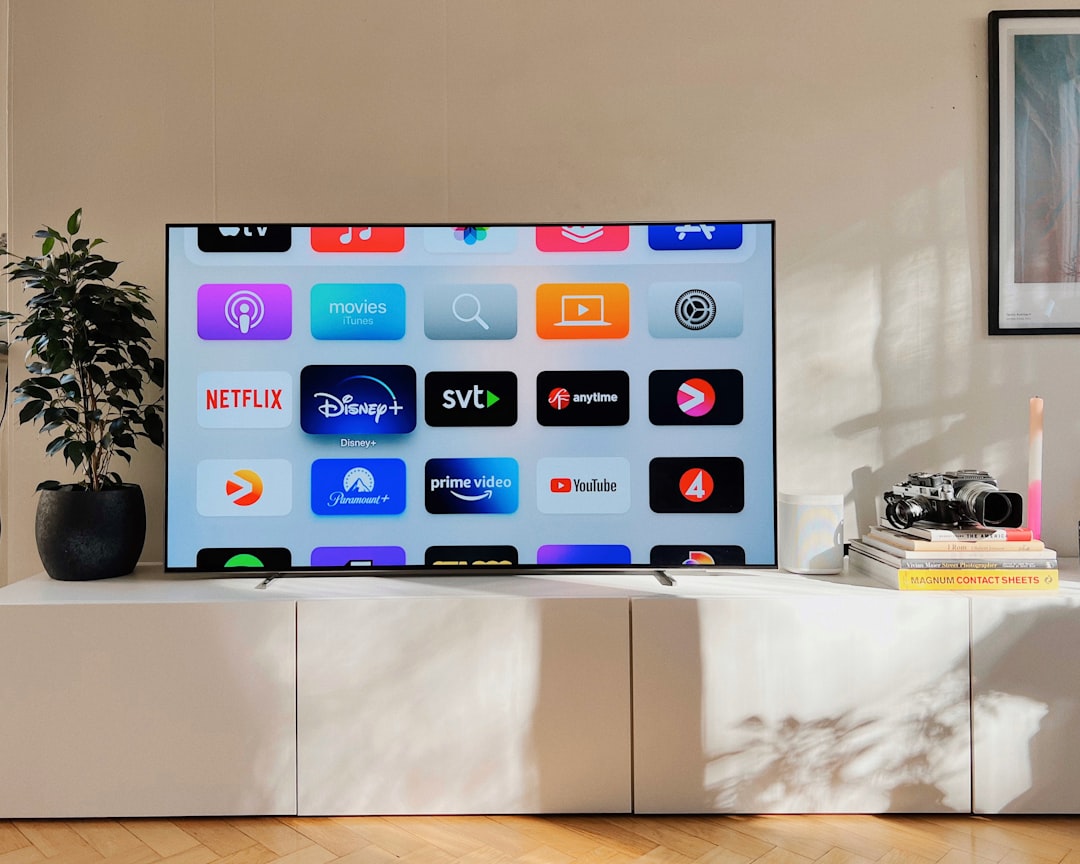

The Rise of IPTV: Transforming How France Watches TV
Television in France is changing fast, and IPTV is at the center of that shift. For decades, viewers relied on traditional terrestrial channels, cable, and satellite to follow news, films, sport, and entertainment. Today, a growing number of households are choosing internet-based television services that offer more flexibility, broader content libraries, and a viewing experience that better matches modern habits. As broadband speeds improve and connected devices become standard, IPTV in France is no longer a niche alternative. It is becoming a mainstream way to watch TV, reshaping what audiences expect from home entertainment.
Why IPTV is gaining momentum in France
IPTV, or Internet Protocol Television, delivers television content through an internet connection rather than through traditional broadcast methods. That difference may seem technical, but for viewers it changes everything. Instead of being tied to fixed schedules or limited packages, users can access live channels, replay features, and on-demand content from a single digital platform.
In France, several trends have accelerated this transition. The first is the widespread availability of high-speed internet. Fiber deployment has expanded significantly in urban areas and continues to reach more suburban and rural households. With faster and more stable connections, streaming live television in high definition has become far more reliable than it was even a few years ago.
The second driver is changing consumer behavior. French viewers increasingly expect convenience. They want to pause live TV, restart programs, switch between devices, and personalize what they watch. Younger audiences in particular are less attached to linear programming and more interested in choosing content on their own terms. IPTV matches these expectations naturally.
Price sensitivity also plays a role. Many consumers want better value and more control over subscriptions. Instead of paying for large bundles filled with channels they rarely use, they are looking for services that feel more tailored. That is one reason many households compare features, device compatibility, and channel selection before choosing an IPTV Premium option that aligns with their viewing preferences.
How IPTV is transforming the viewing experience
The most visible impact of IPTV is the way it makes television more flexible. Viewers are no longer confined to the living room or to a set broadcast time. A program can begin on a smart TV, continue on a tablet, and finish on a smartphone. This cross-device continuity reflects how people already consume digital media, and it helps TV remain relevant in an era defined by mobility.
Another major advantage is content personalization. Traditional television follows a one-size-fits-all model, but IPTV platforms often allow viewers to build favorites lists, receive recommendations, and navigate content more intuitively. This creates a more user-centered experience and reduces the frustration of scrolling through channels that do not match individual interests.
French audiences also benefit from broader access to international content. IPTV services often make it easier to discover channels and programs from different regions, languages, and cultural backgrounds. For multilingual households, expatriates, and viewers with global tastes, that expanded choice is a significant upgrade over conventional packages.
- On-demand access: viewers can watch films, series, documentaries, and replay content when it suits them.
- Multi-device compatibility: IPTV works across smart TVs, streaming boxes, mobile phones, tablets, and computers.
- Interactive features: pause, rewind, catch-up TV, and program recording improve control over the viewing experience.
- More tailored content: users can often choose packages or libraries that better reflect their interests.
For families, this flexibility is especially valuable. Different members of the household may want children’s programming, sports, news, and entertainment at different times. IPTV helps meet these competing needs without the rigid limitations of older TV systems.
The French market, regulation, and consumer expectations
As IPTV grows in France, the market is becoming more competitive and more sophisticated. Established telecom providers, digital entertainment platforms, and specialist subscription services all contribute to a rapidly evolving landscape. This competition is pushing providers to improve picture quality, expand libraries, simplify interfaces, and offer stronger customer support.
At the same time, regulation remains important. In France, as in the rest of Europe, content licensing, broadcasting rights, and copyright law shape what services can legally offer. For consumers, that means trust matters. Choosing legitimate IPTV providers helps ensure stable service, better security, and compliance with local rules. It also reduces the risks associated with unreliable streams, data privacy concerns, and sudden service interruptions.
Consumer expectations have also risen sharply. It is no longer enough for a TV service to simply provide channels. French viewers increasingly judge a platform by the quality of its interface, the speed of navigation, the consistency of streaming, and the availability of customer assistance. In other words, IPTV is not just competing with television providers. It is competing with the user experience standards set by leading streaming platforms across the digital economy.
This shift has a broader cultural impact. Television in France has always been closely tied to national identity, public debate, cinema, and sport. IPTV does not replace that role; instead, it modernizes how viewers access it. News broadcasts, Ligue 1 coverage, French drama, and international series can now sit side by side in a single, more adaptable environment.
What the future of television in France looks like
The rise of IPTV suggests that the future of television in France will be more hybrid, connected, and user-driven. Linear TV will not disappear overnight, but its dominance is weakening as internet-based delivery becomes standard. Over time, the distinction between “television” and “streaming” is likely to fade, with audiences focusing less on the delivery method and more on convenience, quality, and content variety.
We can also expect technology to deepen the transformation. Better compression standards, faster fiber networks, and wider adoption of smart home devices will make IPTV smoother and more immersive. Features such as voice search, AI-based recommendations, cloud recording, and ultra-high-definition streaming are likely to become more common.
For providers, success will depend on balancing three priorities:
- Reliability: stable streams and high-quality playback are essential for retaining subscribers.
- Content relevance: viewers want a strong mix of live channels, French programming, and on-demand entertainment.
- Ease of use: intuitive design is now a core part of the television experience.
For consumers, the direction is clear. The modern French viewer wants freedom: freedom to choose, to watch anywhere, and to enjoy a service that adapts to real life rather than forcing real life to adapt to television schedules.
IPTV is transforming how France watches TV because it aligns with the expectations of a digital society. It offers flexibility, wider content access, and a more personalized experience than traditional systems can easily provide. As internet infrastructure continues to improve and viewing habits keep evolving, IPTV is set to play an even larger role in the French media landscape. For households seeking a smarter and more adaptable way to enjoy television, the rise of IPTV is not just a trend. It is the new direction of home entertainment.