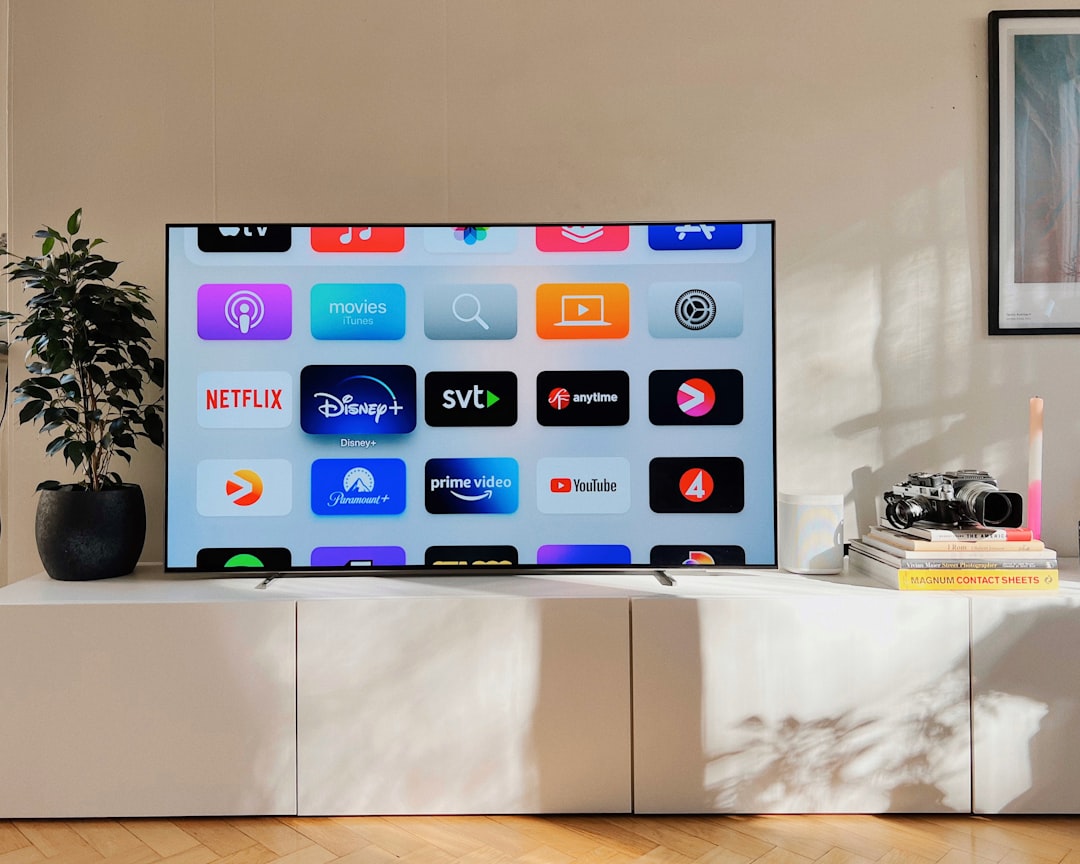

The Rise of IPTV: A New Era of Streaming Convenience
In recent years, the way we watch television has changed dramatically, and IPTV has been at the center of that shift. Instead of relying on traditional cable or satellite systems, viewers are increasingly turning to internet-based television for greater flexibility, more control, and a better overall streaming experience. As audiences demand instant access, personalized viewing, and the ability to watch on multiple devices, IPTV has emerged as a practical solution that fits modern lifestyles.
What IPTV Is and Why It Is Growing So Quickly
IPTV, or Internet Protocol Television, delivers television content through an internet connection rather than through conventional broadcast methods. That simple change has had a major impact on the viewing experience. With IPTV, users can access live channels, video on demand, catch-up TV, and even niche content that may not be available through standard cable packages.
The rise of IPTV is closely tied to broader changes in consumer behavior. People now expect entertainment to be available whenever and wherever they want it. Mobile devices, smart TVs, tablets, and streaming boxes have made it easier than ever to watch content on the go or at home. IPTV fits naturally into this ecosystem because it is built for digital-first consumption.
Another reason for its growth is the increasing dissatisfaction with traditional TV bundles. Many viewers no longer want to pay for large packages filled with channels they never watch. IPTV often offers a more flexible structure, allowing users to choose services that better match their interests and budgets. This convenience has helped position IPTV as a compelling alternative in the modern media landscape.
The Convenience Factor Driving Viewer Adoption
At the heart of IPTV’s popularity is convenience. Viewers want a smoother, more customizable experience, and IPTV delivers on that expectation in several ways. It makes it easier to pause live TV, replay missed moments, and switch between devices without interrupting the experience. For many households, that level of control is no longer a luxury; it is the new standard.
Convenience is also about how quickly users can access content. IPTV platforms often organize channels and libraries in a way that is easier to navigate than traditional TV guides. Search functions, favorites, recommendations, and on-demand categories reduce friction and make entertainment feel more immediate.
Key benefits that appeal to modern viewers
- Flexibility: Watch live or on-demand content across compatible devices.
- Personalization: Choose content based on preferences, not rigid channel bundles.
- Accessibility: Enjoy entertainment at home, during travel, or while commuting.
- Control: Pause, rewind, or revisit programming with far more ease than traditional TV.
For busy families, this convenience is especially valuable. One person may want to watch a live sports event in the living room while another streams a series on a tablet in another room. IPTV supports that kind of simultaneous, multi-device use in a way that older systems often struggle to match. If you’re comparing service options and technical features, platforms like bestesmarterspro can help users understand what to look for in a modern IPTV setup.
How IPTV Is Reshaping the Entertainment Industry
IPTV is not just changing how people watch television; it is also changing how content is distributed and consumed. Broadcasters, media companies, and content creators are adapting to a world where internet delivery matters just as much as traditional broadcast reach. This shift has created more room for niche programming, international content, and specialized channels that can reach targeted audiences more efficiently.
For viewers, this means greater variety. Sports fans can follow regional coverage more easily, language learners can access international channels, and households with diverse tastes can find programming that suits everyone. The result is a more inclusive entertainment environment where content is not limited by geography or old distribution models.
From a business perspective, IPTV also offers valuable data insights. Providers can better understand what audiences watch, when they watch it, and which features matter most. This allows for improved recommendations, more responsive content strategies, and a better user experience overall. In many ways, IPTV is part of a larger transformation toward smarter, data-driven streaming.
What to Consider When Choosing an IPTV Service
As IPTV continues to grow, the number of available services has increased as well. That makes it important to evaluate options carefully. Not every platform offers the same level of reliability, channel selection, interface quality, or device support. The best IPTV experience usually comes from a service that combines strong performance with a simple, intuitive design.
When comparing providers, viewers should pay attention to a few key factors. Stability is essential, because buffering and downtime can quickly ruin the appeal of streaming. Content variety matters too, especially if a household wants access to live channels, movies, sports, or international programming. Device compatibility is another major consideration, since many users want to stream on smart TVs, Android boxes, smartphones, or tablets.
It is also wise to look at customer support and setup simplicity. A good IPTV service should be easy to install, easy to manage, and supported by helpful resources. The goal is not just to stream content, but to make entertainment feel effortless. That is what keeps viewers returning to IPTV over traditional television options.
As streaming continues to dominate the media landscape, the services that prioritize reliability, ease of use, and broad compatibility are likely to stand out. In other words, convenience is no longer an added benefit; it is a core expectation.
The rise of IPTV signals a clear shift in how we define television. Viewers want freedom, flexibility, and instant access, and IPTV delivers all three in a way that traditional formats often cannot. As technology continues to improve and more households cut the cord, IPTV will likely become an even more important part of the entertainment landscape. For consumers, that means more choice and a smarter, more convenient way to watch the content they love.