- Household
- Household
Bright Ideas: Transforming Your Home with Recessed Can Lights
Ceilings are easy to forget until you change what hangs from them. Swap a bulky central fixture for a few neat recessed lights and a room suddenly looks taller, calmer and better…
· 2 min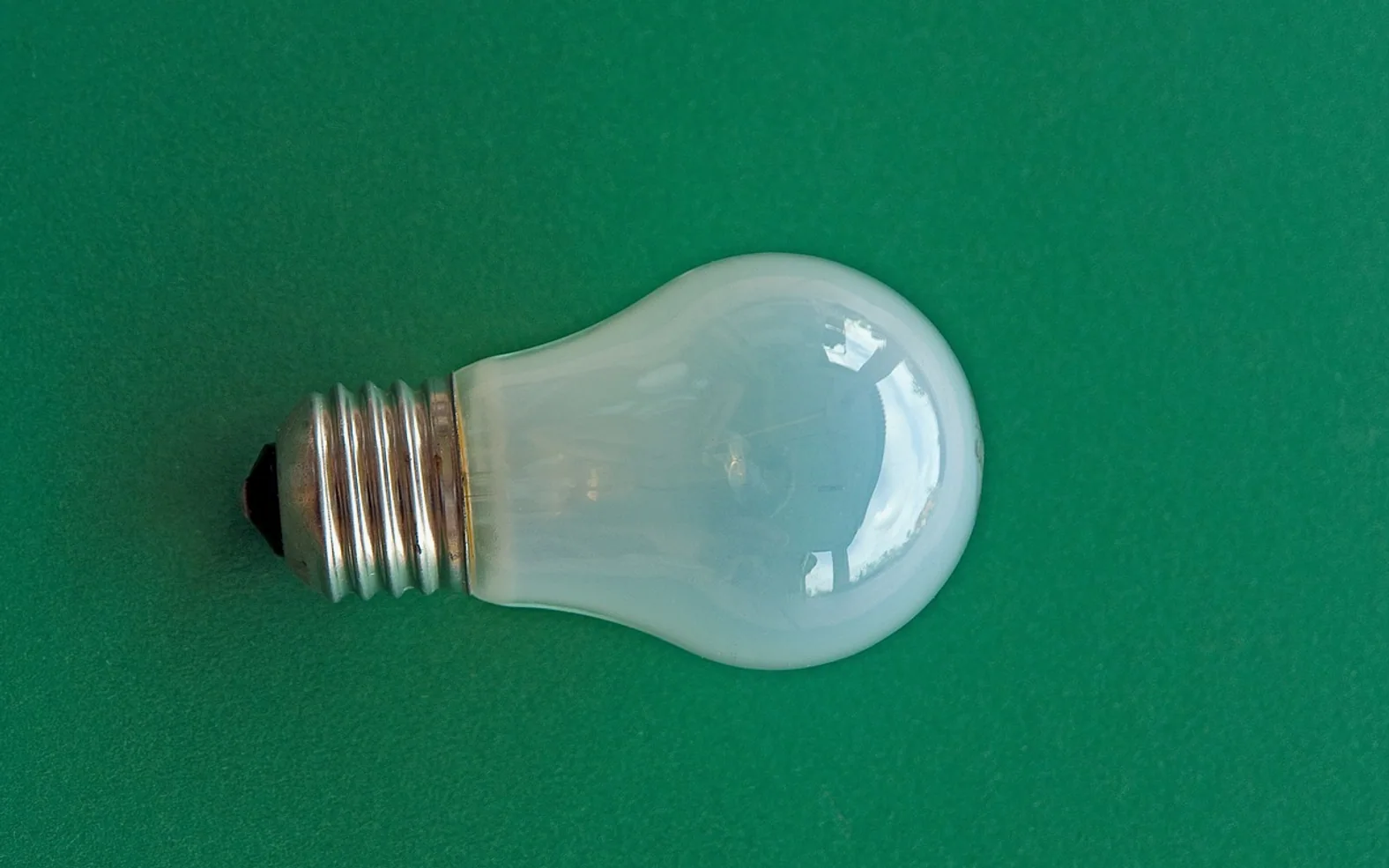
Ceilings are easy to forget until you change what hangs from them. Swap a bulky central fixture for a few neat recessed lights and a room suddenly looks taller, calmer and better finished. That small change explains why downlights have moved from office corridors into kitchens, lounges and bathrooms.
Why flush lighting changes the feel of a room
Recessed fittings sit inside the ceiling, so the light seems to come from nowhere in particular. Nothing dangles at eye level, nothing competes with your artwork or furniture, and low ceilings lose that slightly cramped feeling. The look is clean without being cold, especially when it is paired with a warm table lamp or two for softer corners.
There is a practical side as well. Because the light is spread across several points rather than one, shadows are softer and the brightness feels more even. Many homeowners find that a well-planned set of downlights replaces two or three separate lamps.
Room by room
Kitchen
Work surfaces benefit most. Place lights so they fall in front of you while you chop and cook, not behind your head where your body throws a shadow onto the counter. Under-cabinet strips can fill in the rest.
Living room
Here, flexibility counts. A ring of dimmable downlights near the walls can wash shelves and curtains with a gentle glow, while the centre of the room stays relaxed for films and conversation.
Bathroom
Choose fittings rated for damp areas and aim for even light around the mirror, which makes shaving and make-up easier. A bright overhead light alone tends to cast shadows under the eyes.
Hallways and stairs
Evenly spaced lights guide people safely from one room to the next and make narrow spaces feel wider.
Planning a layout that works
Start with a simple sketch of the room, marking furniture, worktops and anything you want to highlight. Then think in layers: general light to fill the space, task light where you work and accent light for a painting or a textured wall. Downlights can cover the first two layers, and adjustable gimbal trims handle the third.
Colour temperature deserves a moment of thought. Warmer light suits living rooms and bedrooms, while slightly cooler light can feel crisp in kitchens and home offices. Keeping the same temperature within one open-plan space avoids a patchwork effect.
The fittings themselves come in many sizes, trims and finishes. Browsing a dedicated selection of residential can lights is a handy way to compare slim LED models, adjustable versions and options with selectable colour settings before you settle on a plan.
Practical points before installation
- Add dimmers. They turn a bright working light into a relaxed evening mood with one turn of a knob.
- Check the ceiling space. Joists, pipes and insulation affect where fittings can go and which types are suitable.
- Pick energy-efficient LEDs. They run cool, last a long time and keep running costs down.
- Bring in a qualified electrician. Wiring rules vary by region, and a professional can make sure circuits, fire safety and insulation clearances are handled correctly.
Done thoughtfully, recessed lighting is one of those upgrades you stop noticing after a week, simply because every room now feels right at any hour of the day.
Hand-picked reads
 BusinessSmart, Clean, and Ready: How Container Service in Germany Keeps Cities Moving2 min
 HealthWatching TV Before Bed: Is It Really Bad for Sleep?4 min
 StreamingHow IPTV Makes Multilingual Entertainment Easier in Switzerland2 min
 BeautyThe Rise of Refillable Vapes: A Smarter Choice for Modern Vapers3 min