- Business
- Business
Customized Container Solutions for Industry-Specific Waste Needs
A building site, a hospital ward and a busy restaurant all throw things away, but almost nothing they discard looks alike. Treating all of it as one pile wastes money, slows recycling…
· 2 min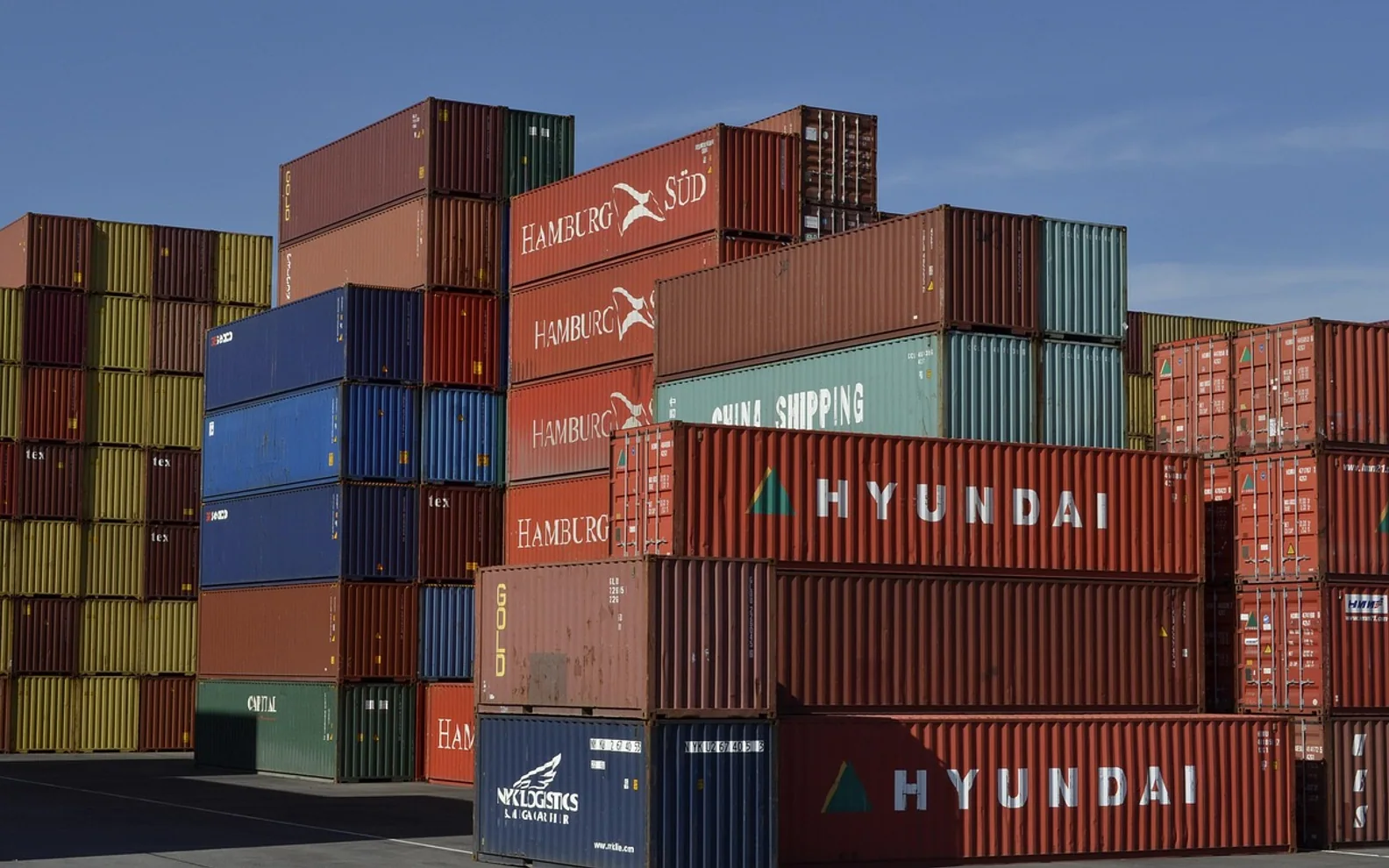
A building site, a hospital ward and a busy restaurant all throw things away, but almost nothing they discard looks alike. Treating all of it as one pile wastes money, slows recycling and can create safety problems. That is why container services increasingly match the bin to the business rather than the other way round.
Why one size rarely fits
Waste differs in weight, volume, hazard and value. Broken concrete is heavy but inert. Cardboard is light and bulky. Food scraps break down quickly and attract pests. Some streams can be sold or recycled, while others require special handling under local regulations. A tailored setup separates these streams where they are created, which keeps costs predictable and makes recycling easier further down the line.
A quick tour by sector
| Sector | Typical waste | Container approach |
|---|---|---|
| Construction and demolition | Rubble, timber, metal, plaster | Heavy-duty skips, separate bins per material, walk-in doors for loading |
| Healthcare | General, recyclable and clinical waste | Colour-coded, lockable containers handled by licensed specialists |
| Hospitality | Food waste, glass, packaging | Sealed organic bins, bottle containers, compactors for cardboard |
| Retail | Cardboard, film, pallets | Balers and roll-off containers near loading bays |
| Workshops and manufacturing | Offcuts, metal shavings, oily rags | Robust metal bins, covered containers for anything flammable |
Construction: where tailoring pays off most
Building and renovation projects create large volumes quickly, and the mix changes as the job moves from demolition to fitting out. Sorting on site into mineral rubble, wood, metal and mixed waste often lowers disposal costs because clean, single-material loads are easier to process. Smaller containers suit tight city streets, while larger ones make sense on open plots.
Contractors in the Hanau area who look up bauschutt entsorgen Hanau, the German phrase for clearing away building rubble, usually want exactly this kind of help: the right container size delivered on time, collected when full and taken to a proper recycling facility.
Planning your own setup
Whatever the industry, a few questions shape a good arrangement:
- What do you produce most? List your main waste streams for a typical week.
- How much space do you have? Access for lorries and room for several bins can limit options.
- How often should collections happen? Food waste needs frequent pickups; rubble can wait until a skip is full.
- Which rules apply? Hazardous and clinical materials have specific requirements that a licensed provider can explain.
- Who uses the bins? Clear labels and short staff briefings reduce contamination.
Reviewing the setup every few months keeps it in line with how the business actually operates. When containers match the work, sites stay tidier, staff spend less time dealing with overflowing bins and more material finds its way back into use.
Hand-picked reads
 BusinessSmart, Clean, and Ready: How Container Service in Germany Keeps Cities Moving2 min
 HealthWatching TV Before Bed: Is It Really Bad for Sleep?4 min
 StreamingHow IPTV Makes Multilingual Entertainment Easier in Switzerland2 min
 BeautyThe Rise of Refillable Vapes: A Smarter Choice for Modern Vapers3 min