- Household
- Household
Innovative Features in Modern Retractable Awnings: What to Look For
A patio that bakes by early afternoon is a patio nobody uses. Retractable awnings solve that problem neatly, and the latest versions do it with far less effort than the crank-handle models…
· 2 min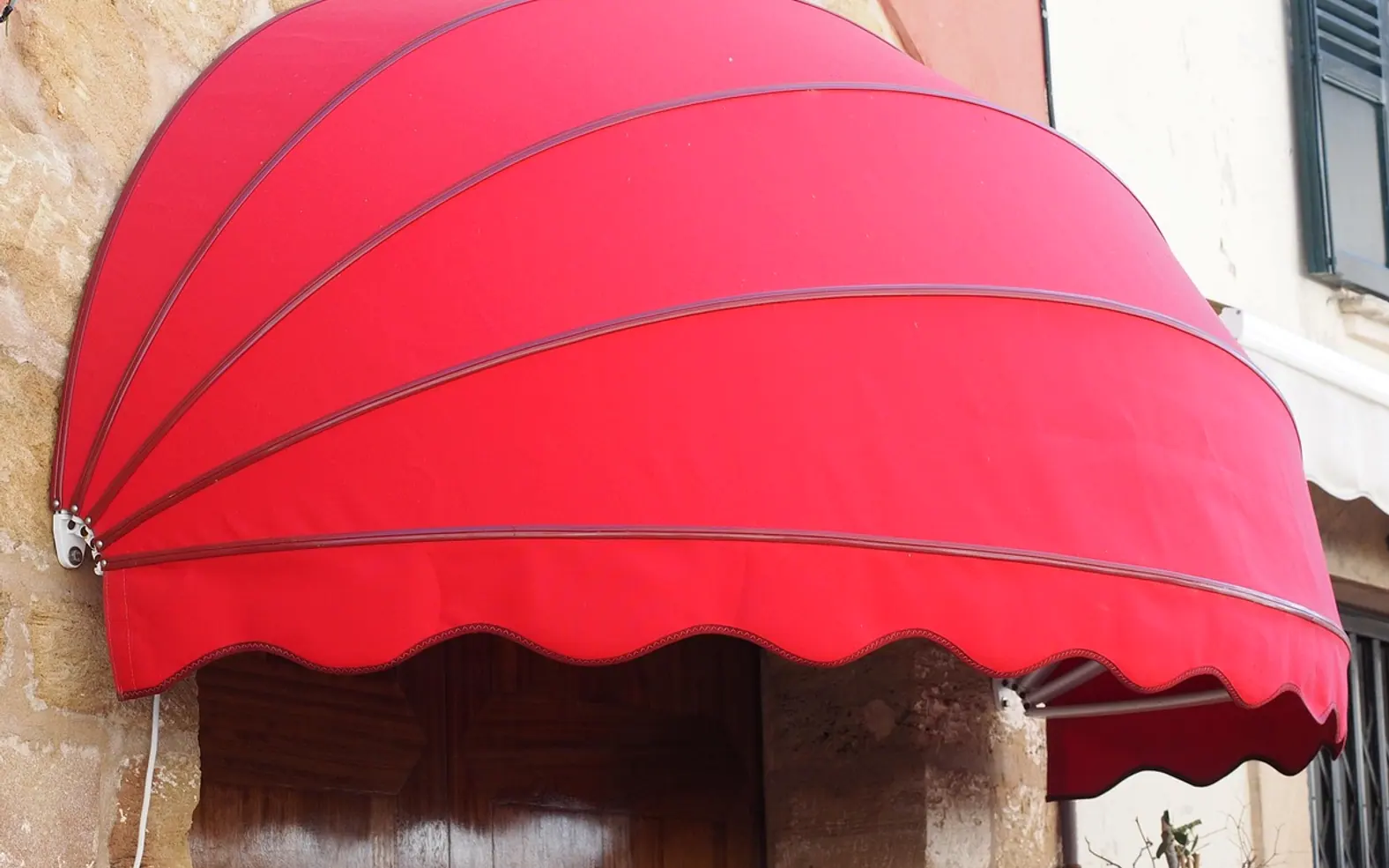
A patio that bakes by early afternoon is a patio nobody uses. Retractable awnings solve that problem neatly, and the latest versions do it with far less effort than the crank-handle models many people remember. The trick when shopping is to separate the features that will make a daily difference from the ones that simply sound impressive in a brochure.
Motors and smart controls
Motorisation is the upgrade most owners notice first. A wall switch or remote rolls the canopy out in seconds, which matters most on wide awnings where hand-cranking becomes a chore. Many systems can now link to a phone app or a home assistant, so the shade can be set on a schedule or adjusted from another room.
Homeowners who want help choosing between motor types often speak with a Los Angeles retractable awning company or a similar local specialist, since an installer can match the motor size to the frame and advise on where wiring and switches will be most convenient. It is worth asking whether the motor has a manual override for power cuts.
Sensors that react to the weather
Automatic sensors take the guesswork out of looking after the canopy.
Sun sensors
These extend the awning once sunlight reaches a chosen level, keeping a room cooler even when nobody is home to press a button.
Wind sensors
Strong gusts are the biggest risk to an extended awning. A wind sensor retracts it when movement passes a set threshold, which protects the arms, brackets and fabric.
Rain sensors
Some models pull the canopy in when rain starts, preventing water from pooling on the fabric and stretching it out of shape.
Fabric, frame and finishing touches
The canopy material decides how long the awning keeps looking good. Solution-dyed acrylic and coated polyester are common choices, prized for holding colour and resisting mildew. Many fabrics are rated for UV protection, so it pays to compare the manufacturer's ratings rather than assume all canopies block sunlight equally. Frames in powder-coated aluminium resist corrosion, and a full cassette that encloses the rolled fabric adds an extra layer of protection when the awning is closed.
Extras can turn a sunshade into an outdoor room:
- Integrated LED strips along the arms for evening use
- Drop-down side or front screens that block low sun and add privacy
- Adjustable pitch, so water runs off and the angle suits the time of day
- Patio heaters designed to mount beneath the canopy
Choosing what is worth paying for
Start with how the space is used. A family that eats outdoors every evening may value lighting and side screens, while a home that sits empty during the day benefits most from sun and wind sensors. Wall strength, available power and exposure to coastal air all influence the right frame and fixings, so a site visit before ordering is sensible. With the essentials chosen carefully, a modern awning becomes one of those home improvements that quietly earns its place every warm day.
Hand-picked reads
 BusinessSmart, Clean, and Ready: How Container Service in Germany Keeps Cities Moving2 min
 HealthWatching TV Before Bed: Is It Really Bad for Sleep?4 min
 StreamingHow IPTV Makes Multilingual Entertainment Easier in Switzerland2 min
 BeautyThe Rise of Refillable Vapes: A Smarter Choice for Modern Vapers3 min