- Household
- Household
How to Get Rid of Drain Flies
Drain flies live on the slimy film inside pipes, so sprays and traps only thin out the adults. Clear the film, check the hidden drains, and the flies run out of places to breed.
· 5 min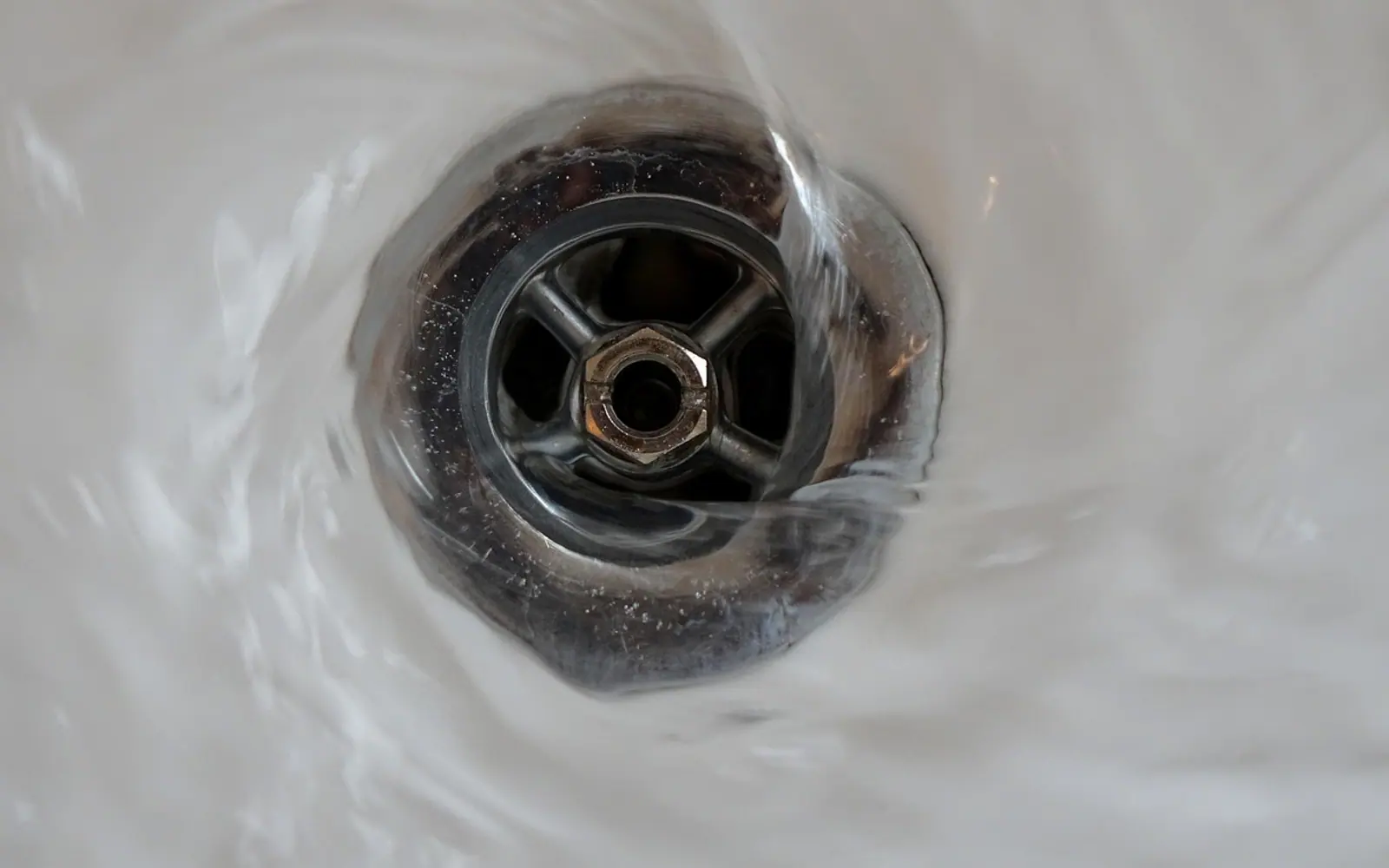
They tend to appear in the bathroom first: a few tiny, grey-brown flies resting on the tiles beside the shower or on the wall above the basin. Up close they look less like flies than miniature moths, with rounded, hairy wings folded over the body like a roof. Touch one and it smears into a powdery smudge. Nudge it and it makes a short, clumsy hop rather than a proper flight.
These are drain flies, sometimes called moth flies or sink flies. They are harmless to people in the sense that they do not bite, but a steady supply of them is a reliable sign that something inside a drain needs attention. The good news is that the fix is mostly cleaning, not chemistry.
Where drain flies actually come from
Drain flies do not breed in clean water. Their larvae live in the soft, gelatinous film that builds up on the inside walls of pipes, overflows and traps, a mix of soap residue, hair, skin cells, food scraps and bacteria. That film is both their nursery and their food. As long as it stays in place, new adults keep emerging, no matter how many you swat.
Typical sources around a home include:
- Shower and bath drains, especially under the hair catcher or pop-up stopper.
- The overflow hole on a bathroom basin, which almost nobody cleans.
- Kitchen sinks with a garbage disposal or a slow-draining trap.
- Floor drains in laundry rooms, garages and basements.
- Drains in guest bathrooms or holiday homes that sit unused for weeks.
- Drip trays under fridges and condensate lines from air conditioners or dehumidifiers.
Is it really drain flies?
Three small insects get mixed up all the time, and each one points to a different source. A quick comparison saves you from scrubbing the wrong place:
| Insect | How it looks and moves | Where it breeds |
|---|---|---|
| Drain fly | Fuzzy, moth-like wings held flat; rests on walls; weak, hopping flight | Organic film inside drains, traps and overflows |
| Fruit fly | Tan body, often red eyes; hovers around fruit and bins | Fermenting fruit, juice spills, bin residue |
| Fungus gnat | Slim, dark, long legs; flits around houseplants and windows | Damp potting soil |
If the description in the middle row sounds more familiar, the steps in the guide to getting rid of fruit flies for good will suit you better, since their breeding spots are different.
The tape test
To find out which drain is the source, wipe the area around each opening dry in the evening and lay a strip of clear packing tape across the drain, sticky side down, leaving small gaps at the edges so air still moves. Check it the next morning. A drain with flies stuck to the underside of the tape is an active breeding site. Repeat for a few nights, because emergence is not continuous, and test every drain in the house, not only the one where you see the most flies.
How to clear them out, step by step
- Remove what you can reach. Pull out the stopper, hair catcher or strainer and clean it thoroughly. Hair wrapped around a stopper is often coated in the exact film the larvae need.
- Loosen the film with warm water. Run hot tap water for a minute or two. Kettle-boiling water can soften some plastic pipe joints and crack porcelain, so it is safer to stick with hot water from the tap.
- Scrub the inside of the pipe. This is the step that does most of the work. A long, flexible drain brush or pipe brush pushed down and twisted around the walls strips away the film that pouring liquids simply flow past. Do the same inside the basin overflow with a narrow bottle brush.
- Clean the trap. If the U-bend under a sink is accessible and you are comfortable doing it, put a bucket underneath, unscrew it, rinse out the sludge and refit it carefully so the seals sit straight.
- Follow up with an enzyme or bacterial drain gel. These products digest organic residue over several hours and work best overnight when the drain is not in use. Follow the label exactly.
- Repeat for about a week. Eggs and larvae already in the pipe can still hatch after the first clean, so a short daily routine of brushing and flushing finishes the job.
Baking soda followed by vinegar is often recommended. The fizz can help lift loose grime near the opening, but it does little to the film further down, so treat it as a helper for the brush rather than a replacement for it.
What does not work well
Pouring bleach down the drain is the most common reaction, and it tends to disappoint. Bleach runs straight through the pipe, barely touches the film on the walls, and can harm septic systems. Fly sprays only kill the adults you can see. Vinegar traps catch some drain flies, but far fewer than they catch fruit flies.
A safety note: never mix drain cleaners with each other, and never combine bleach with vinegar, ammonia or other cleaning products, because some combinations release harmful gases. Wear gloves, keep the room aired and store every product out of reach of children and pets. The wider picture of how household pests are kept in check, from prevention to professional treatment, is covered in the article on the science and strategy of pest control.
Keeping them from coming back
- Brush the shower and basin drains once a week as part of the normal bathroom clean.
- Run water in rarely used drains every week or two so the trap stays filled and the film has less chance to settle.
- Empty and wipe fridge drip trays and check dehumidifier tanks regularly.
- Use hair catchers in showers and empty them often.
- Fix slow drains early instead of waiting for a full blockage.
When the flies point to a bigger problem
If every drain tests clean and the flies keep coming, the source may be somewhere you cannot reach: a cracked waste pipe under the floor, a broken seal around a toilet, a sagging section of pipe where waste pools, or a damp spot inside a wall. A persistent sewer smell is another clue. These are jobs for a qualified tradesperson rather than a brush, and the piece on what skilled plumbers can do around the home explains the questions worth asking before you book one.
Quick answers
Are drain flies dangerous?
They do not bite or sting. They can carry bacteria from the drain onto surfaces, so it makes sense to clean the source rather than live with them, and anyone with allergies or asthma who notices symptoms should mention it to a doctor.
How long does it take to get rid of them?
Once the film is gone, the number of adults usually drops off over the following days as the last ones die out. If new flies still appear after a week of daily cleaning, look for a second source.
Why do they show up in a clean bathroom?
A bathroom can look spotless while the inside of the pipe is not. The film builds up out of sight, below the strainer and inside the overflow, which is why scrubbing inside the drain matters more than wiping the surfaces around it.
Hand-picked reads
 BusinessSmart, Clean, and Ready: How Container Service in Germany Keeps Cities Moving2 min
 HealthWatching TV Before Bed: Is It Really Bad for Sleep?4 min
 StreamingHow IPTV Makes Multilingual Entertainment Easier in Switzerland2 min
 BeautyThe Rise of Refillable Vapes: A Smarter Choice for Modern Vapers3 min