- Household
- Household
How to Keep a House Cool Without AC
Keep the heat out by day, let it escape at night and keep air moving around people. Most of these ideas cost little or nothing.
· 3 min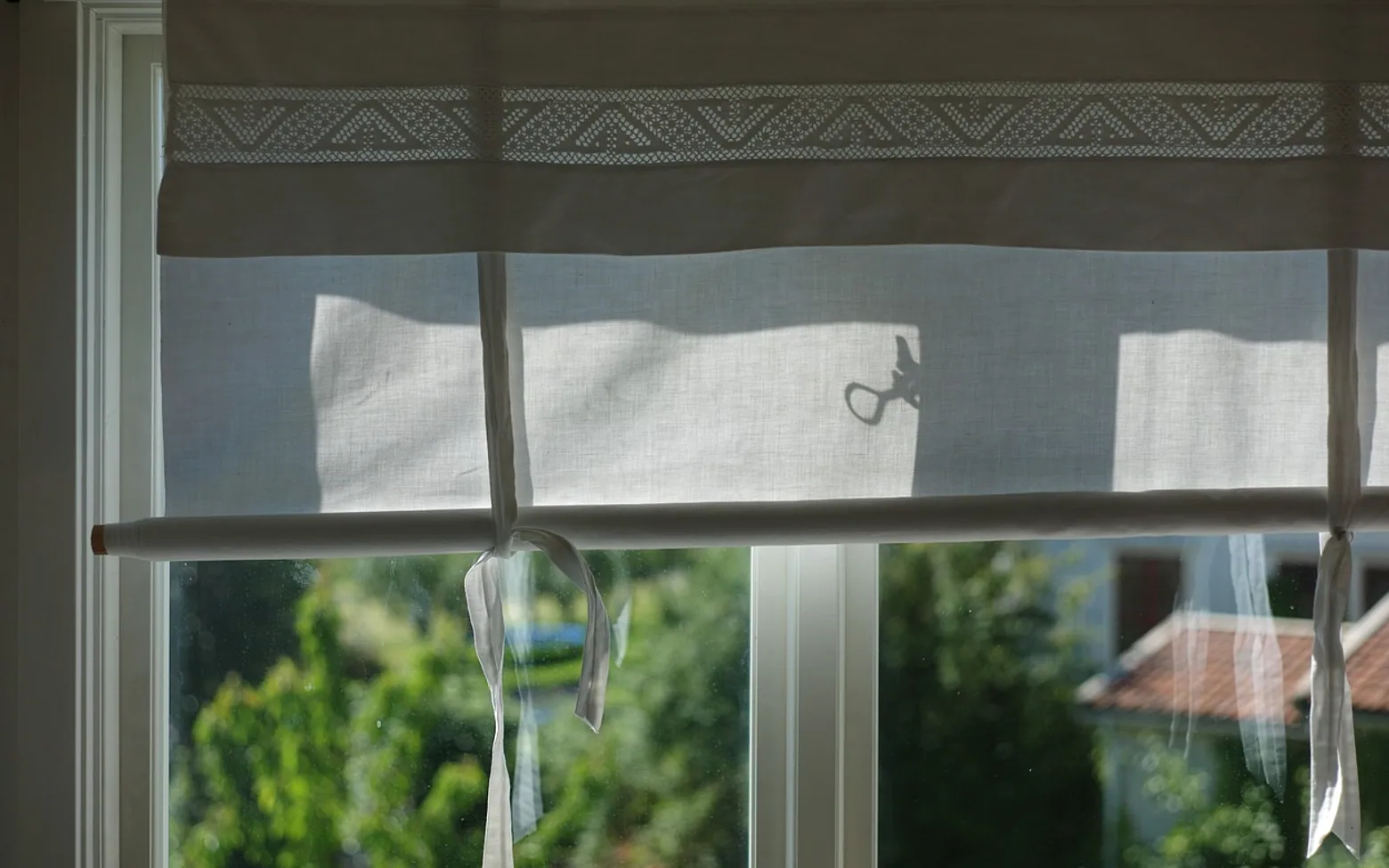
A hot spell does not have to mean sleepless nights and sticky afternoons. Plenty of homes stay comfortable without air conditioning by working with the building rather than against it. The principle is simple: keep heat out during the day, let it escape when the air outside is cooler, and move air around the people inside. Most of what follows costs little or nothing.
Block the heat before it arrives
Sunlight through glass is one of the main ways heat gets into a house. Stopping it early does more than any fan.
- Close blinds and curtains on the sunny side. Do it in the morning on east-facing windows and in the afternoon on west-facing ones.
- Use light colours or reflective linings. Pale curtains and blackout linings send more heat back out.
- Shade from the outside where you can. External shutters, awnings and even a well-placed plant stop the sun before it reaches the glass. If you are considering shade for a terrace or a large window, our look at features in modern retractable awnings covers the options.
- Keep windows shut on the hot side during the day. If the air outside is warmer than the air inside, opening up only lets the heat in.
Ventilate at the right time
When evening comes and the air outside drops below the indoor temperature, open up. Cross-ventilation, with windows open on opposite sides of the house, creates a steady breeze. Warm air rises, so opening an upstairs window together with a downstairs one lets heat escape at the top while cooler air comes in below. Close everything again in the morning before the heat builds, so the cooler air stays trapped inside.
Think about security when leaving windows open overnight, especially on the ground floor. Window restrictors and locks let you ventilate without leaving the house exposed.
Make fans work harder
A fan does not lower the air temperature, but moving air across skin feels noticeably fresher. A few tricks help:
- Point a fan out of a window in the evening to push warm air out while another window lets cooler air in.
- Set a ceiling fan to its summer direction, usually anticlockwise (check your model's manual), so it pushes air downward.
- Put a bowl of ice or a frozen bottle in front of a desk fan for a short burst of cooler air.
Electrical safety: keep fans and their cables away from water, stop using any appliance with a damaged plug or cord, and avoid overloading extension leads or plugging one lead into another. Switch fans off when you leave the room.
Cut the heat made inside the house
Every appliance gives off some warmth. On very hot days:
- Cook early or late, choose the microwave or an outdoor grill over the oven, and lean towards cold meals.
- Run the dishwasher, washing machine and tumble dryer at night, or dry laundry outside.
- Switch off lights, consoles and chargers you are not using. Older bulbs in particular give off heat.
- Take shorter, cooler showers and run the bathroom extractor to clear humid air.
Keep yourself cool
| Idea | How it helps |
|---|---|
| Cotton or linen bedding | Breathes better than many synthetic fabrics. |
| A cool shower before bed | Lowers skin temperature as you settle down. |
| A damp cloth on wrists or neck | Gives quick relief at the pulse points. |
| Sleeping on the lowest floor | Lower rooms usually stay cooler than lofts. |
| Drinking water regularly | Helps the body cope with warm days. |
Heat can be serious for babies, older people, anyone with a health condition, and pets. If someone feels dizzy, confused or unusually exhausted in the heat, move them somewhere cooler, give them water if they can drink, and get medical help if they do not improve quickly. During heatwaves, follow the advice of your local health authorities.
Longer-term fixes
If summers are getting harder to bear, consider improvements that pay off year after year: loft insulation, which keeps heat out as well as in; reflective window film; outdoor shading; and trees or climbing plants on sun-baked walls. Pale exterior paint on a wall that takes the full afternoon sun can make a difference too.
For a single heatwave, a nursery or a home office that overheats, renting a portable unit is another route, and we have covered portable aircon rental separately. For everyday summers, though, shade, timing and moving air will carry most homes a long way.
Hand-picked reads
 BusinessSmart, Clean, and Ready: How Container Service in Germany Keeps Cities Moving2 min
 HealthWatching TV Before Bed: Is It Really Bad for Sleep?4 min
 StreamingHow IPTV Makes Multilingual Entertainment Easier in Switzerland2 min
 BeautyThe Rise of Refillable Vapes: A Smarter Choice for Modern Vapers3 min