- Business
- Business
Smart, Clean, and Ready: How Container Service in Germany Keeps Cities Moving
Anyone who has cleared out a loft knows how quickly a manageable task becomes a mountain of old furniture, cardboard and broken tiles. Rented containers turn that mountain into something orderly. In…
· 2 min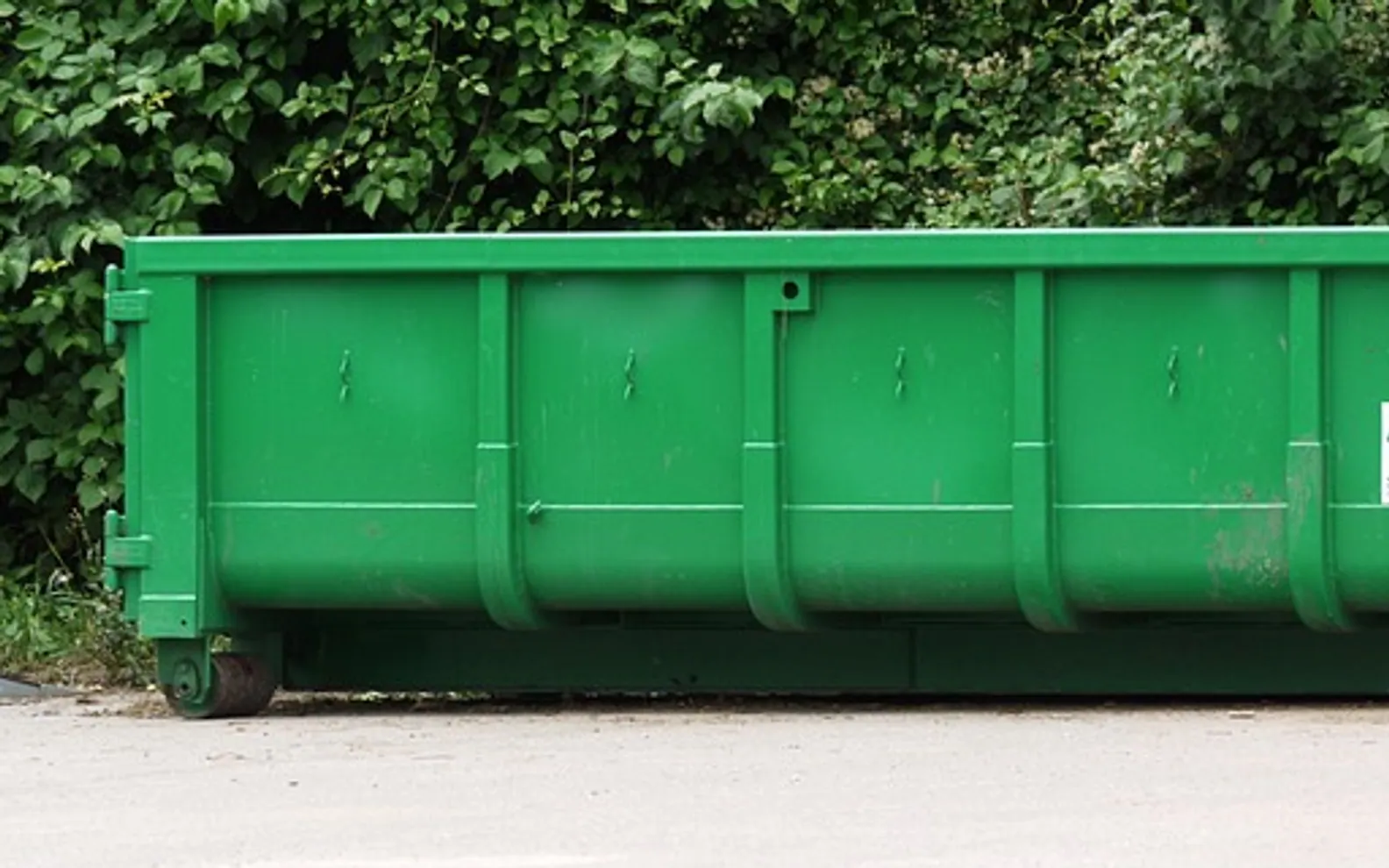
Anyone who has cleared out a loft knows how quickly a manageable task becomes a mountain of old furniture, cardboard and broken tiles. Rented containers turn that mountain into something orderly. In German towns and cities, where waste separation is taken seriously, a well-run container service quietly keeps homes, building sites and businesses moving.
From phone call to collection
The process is pleasantly straightforward. The customer describes the material and the rough volume, picks a container size, and agrees on a delivery date. A good provider then asks the questions that prevent headaches later: Is the ground firm enough? Will a lorry reach the spot? Does the container need to stand on a public street, which may require a permit from the local authority?
On delivery day, the driver places the container carefully and explains what can go in it. When it is full or the rental period ends, collection is booked and the load heads to a facility for sorting, recycling or proper disposal. Local operators such as Containerdienst Hanau are valued for exactly this kind of clear, reliable routine, which takes much of the stress out of a messy project.
Which container for which job?
| Project | Typical material | Tip |
|---|---|---|
| Attic or cellar clear-out | Bulky household items, mixed waste | Dismantle furniture to save space |
| Garden overhaul | Branches, soil, turf | Keep green waste separate where possible |
| Bathroom or kitchen renovation | Tiles, rubble, fittings | Heavy debris often needs a smaller, sturdier container |
| Building site | Mixed construction waste, wood, metal | Several containers for different streams simplify sorting |
When in doubt, describing the project in detail to the provider usually leads to the right size. Overfilling is a common mistake; loads must stay below the rim so they can be transported safely.
Sorting pays off
Germany's approach to recycling relies on separating materials early. Clean rubble, wood, metal and green waste can often be processed more efficiently than mixed loads, and providers may price them differently as a result. Keeping hazardous items such as paint, batteries and certain chemicals out of standard containers is essential; these belong at designated collection points. A short conversation about what is allowed saves surprises when the bill arrives.
Why it matters beyond the project
Containers keep pavements clear, reduce the temptation to leave rubbish by the roadside and make building sites safer by giving debris a defined place. For businesses, regular collections mean storage areas stay usable and staff are not tripping over packaging. For households, the payoff is simpler: the job gets finished, the street looks tidy again, and a lot of old material finds its way into new use rather than landfill.
Hand-picked reads
- BusinessSmart, Clean, and Ready: How Container Service in Germany Keeps Cities Moving2 min
 HealthWatching TV Before Bed: Is It Really Bad for Sleep?4 min
 StreamingHow IPTV Makes Multilingual Entertainment Easier in Switzerland2 min
 BeautyThe Rise of Refillable Vapes: A Smarter Choice for Modern Vapers3 min