- Beauty
- Beauty
How to Wind an Automatic Watch
An automatic watch winds itself while you wear it, but after a few days off the wrist it stops. A few turns of the crown, done the right way, get it going again.
· 3 min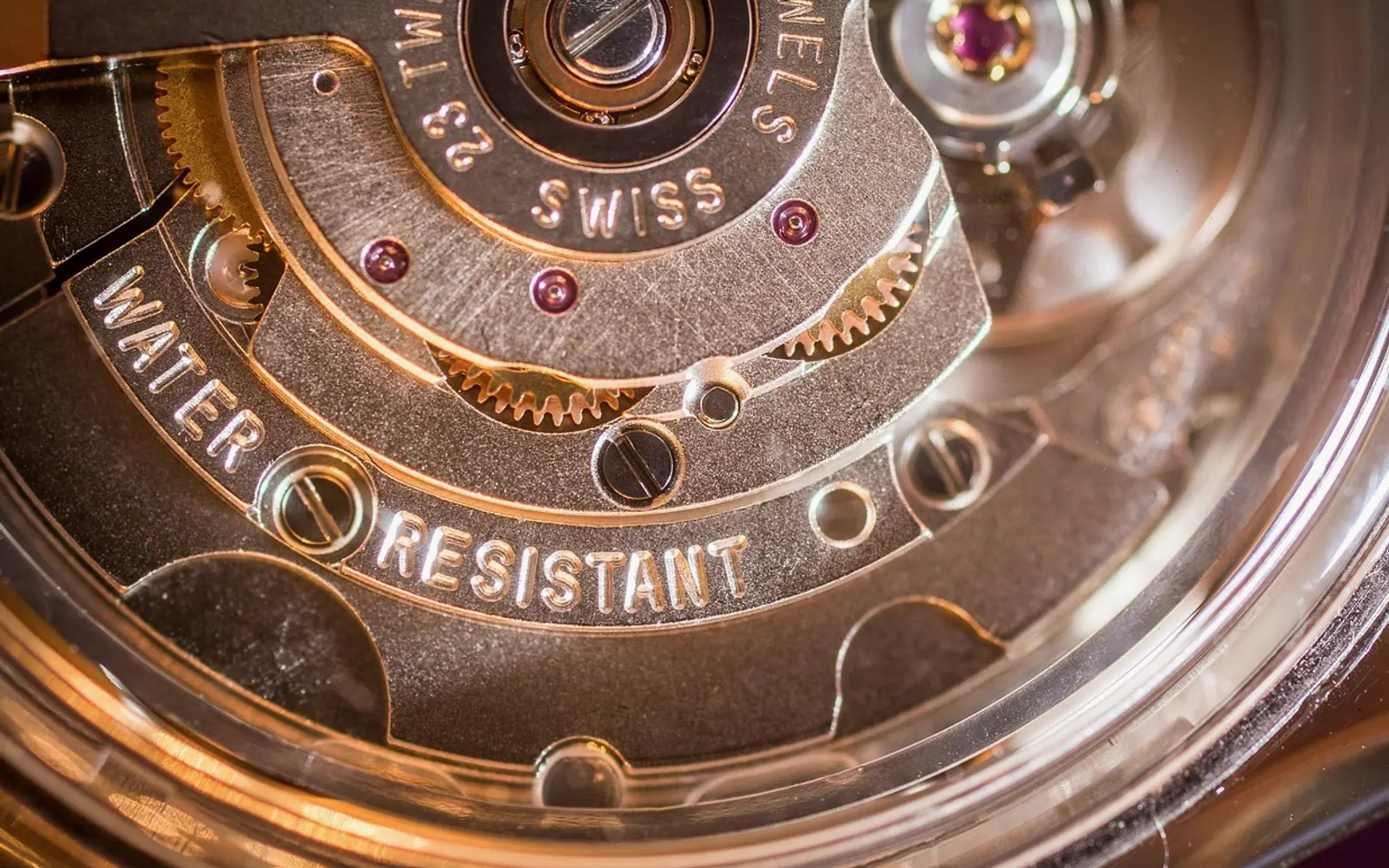
To wind an automatic watch, take it off your wrist, unscrew the crown if it is a screw-down type, leave it in its first position and turn it slowly clockwise for a few dozen turns until the seconds hand is running steadily. Then set the time, push the crown back in and screw it down. That is the whole routine. The details below explain why each step matters and what to avoid.
Why an automatic watch stops at all
An automatic, or self-winding, watch has a weighted rotor inside that swings as your wrist moves. Each swing tightens the mainspring a little, and the spring slowly releases that energy to keep the watch running. While you wear it every day, this is usually enough. Leave it in a drawer and the spring gradually runs down until the watch stops. How long that takes is called the power reserve, and it varies between movements, so the manual for your model is the place to find the figure.
A watch that has stopped completely has very little tension in the spring. A gentle manual wind gives it a full start rather than relying on a few wrist movements to bring it back up to strength.
Winding by the crown, step by step
- Take the watch off. Winding while it is on the wrist puts sideways pressure on the crown and the stem behind it.
- Unscrew the crown if needed. Many dive and sports watches have a screw-down crown. Turn it anticlockwise until it pops out to its first position.
- Turn clockwise, slowly. Use the tips of your fingers and make smooth, unhurried turns. Most automatic movements cannot be overwound because a slipping mechanism lets the spring slide once it is full, but there is no benefit in winding fast.
- Watch the seconds hand. Once it sweeps steadily, the watch is running. A few dozen turns is a common recommendation for a stopped watch; your manual may give a specific number.
- Pull out to set the time, then push the crown back in and screw it down firmly but without force so the seals stay effective.
Can every automatic be wound by hand?
No. Some movements, particularly older or entry-level ones, have no hand-winding function at all; turning the crown in the first position does nothing. These watches are started by moving them gently in a slow, side-to-side arc for a short while, then worn as normal. If the crown spins freely without any resistance, check the manual before assuming something is broken.
Habits that help, and a few to avoid
- Do not shake the watch hard. Rapid shaking adds little energy and is not kind to the movement. A slow swing or a proper wind is better.
- Be careful with the date. On many movements, changing the date while the hands are near midnight, roughly late evening to early morning, can strain the date mechanism. Move the hands away from that zone first.
- Keep it away from magnets. Phone cases, speakers and laptop lids can magnetise a movement and make it run fast.
- Consider a watch winder if you rotate several automatics and dislike resetting them, though there is nothing wrong with simply letting a watch stop between wears.
- Take it off for impact sports. Hard knocks from racket sports such as padel, with its fast rallies off the walls, are better faced with a quartz or digital watch.
When winding is not enough
If a fully wound watch stops after a short time, gains or loses noticeably more than it used to, or the crown feels gritty, it is due a service with a watchmaker. The same applies to modified pieces; the article on the appeal of personalised Seiko watches covers how custom builds are looked after once they leave the bench.
Hand-picked reads
 BusinessSmart, Clean, and Ready: How Container Service in Germany Keeps Cities Moving2 min
 HealthWatching TV Before Bed: Is It Really Bad for Sleep?4 min
 StreamingHow IPTV Makes Multilingual Entertainment Easier in Switzerland2 min
 BeautyThe Rise of Refillable Vapes: A Smarter Choice for Modern Vapers3 min