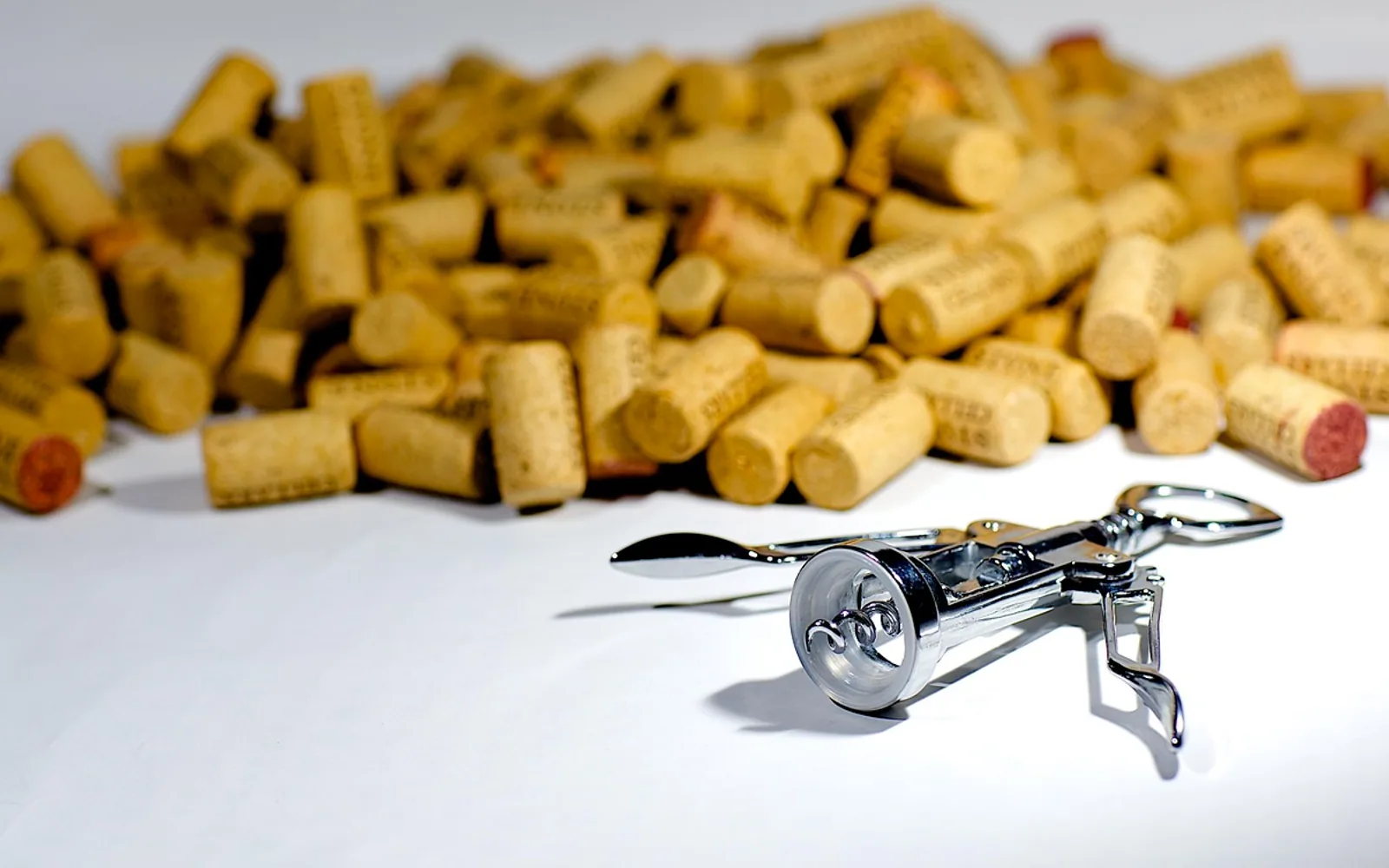
Champagne trades on a promise that sounds almost old-fashioned: the bottle you open this year should taste like the house you love, just as it did last time. Keeping that promise has become harder as seasons grow less predictable. Many growers and cellar teams have responded by quietly adding new tools to methods that are centuries old.
Reading the vineyard more closely
The Champagne region sits far enough north that ripening is never guaranteed. A cool spring, a wet August or an early heatwave can change everything. To keep up, some estates place small weather stations and moisture sensors between rows of Chardonnay, Pinot Noir and Meunier. The readings show which parcels warm up first, where humidity lingers and when disease pressure is rising.
Aerial images from drones or satellites add another view. They highlight patches of vines that are growing more vigorously or struggling, differences that are hard to see on foot. None of this replaces the experienced grower walking the slopes. It simply helps them decide where to look first and when to act, so leaf thinning, harvest timing and protective treatments can be targeted rather than applied everywhere.
A steadier hand in the cellar
Once grapes are pressed, temperature control becomes the quiet hero. Probes in each tank track how fermentation is progressing, allowing winemakers to keep it cool and steady so the delicate fruit and floral notes survive. The second fermentation in bottle, which creates the bubbles, also benefits from careful records of yeast, sugar and timing from earlier vintages.
The aim is not to make every house taste the same. Quite the opposite: precise information makes it easier to reproduce a particular style, whether that is a lean, chalky brut or a richer, toasty cuvée, even when the harvest has been unusual.
Lighter footprints behind the scenes
Modern tools also help with resources. Producers are looking at:
- water-saving cleaning systems in the winery
- heat recovery from equipment that would otherwise waste energy
- lighter bottles and smarter transport planning
- cover crops and reduced spraying where conditions allow
These changes rarely make headlines, yet they shape how the region adapts for the long run.
What it means when you buy a bottle
For drinkers, the result is mostly invisible, and that is the point. Consistency, freshness and a recognisable house character are what you notice in the glass. Exploring different styles is part of the fun: a blanc de blancs for crisp aperitifs, a rosé for summer evenings, a vintage bottle for a special dinner.
Dutch readers who search for champagne kopen will find that a specialist shop with a well-curated range makes it easy to compare houses, styles and sizes in one place, which is a pleasant way to discover something new for the next celebration.
Serve it well chilled but not ice-cold, use a tulip-shaped glass to keep the aromas together, and enjoy it in good company. A little attention at home rounds off all the care that went into the bottle long before it reached your table.
Hand-picked reads
 BusinessSmart, Clean, and Ready: How Container Service in Germany Keeps Cities Moving2 min
 HealthWatching TV Before Bed: Is It Really Bad for Sleep?4 min
 StreamingHow IPTV Makes Multilingual Entertainment Easier in Switzerland2 min
 BeautyThe Rise of Refillable Vapes: A Smarter Choice for Modern Vapers3 min