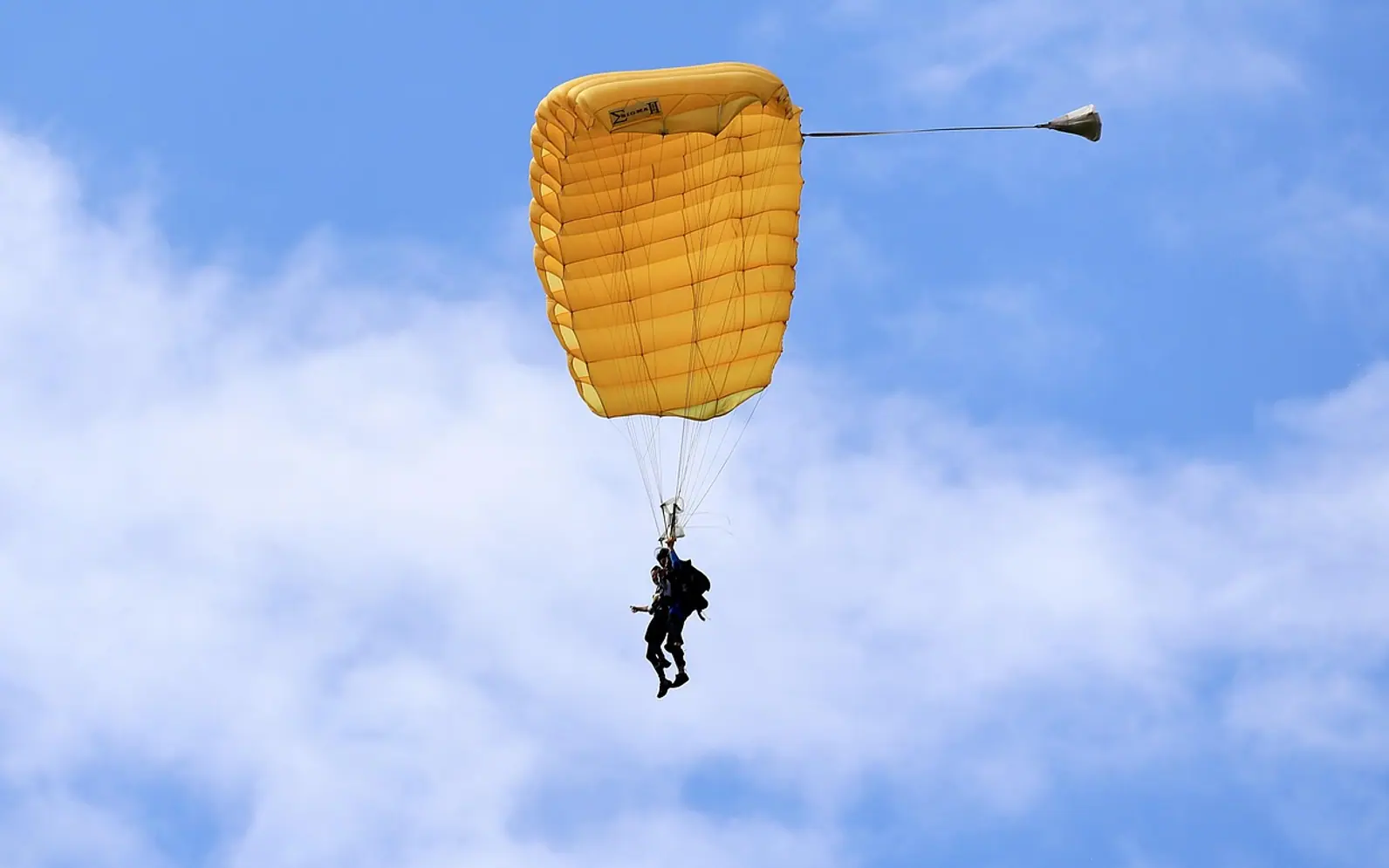
The door opens, wind rushes in and the ground looks very far away. In that moment, small things matter: a harness that feels snug, an altimeter that is easy to read, and a helmet that sits firmly without pinching. Head protection is only one part of a safe jump, but it plays a surprisingly large role in how settled a skydiver feels on the way out of the aircraft.
More than a hard shell
A helmet offers a layer of protection against knocks on the ground, inside the plane and during the jump. It also keeps goggles, audible altimeters and sometimes cameras in place, so there is less fiddling with equipment at the moments when attention should be on body position and altitude awareness. That stability feeds into confidence. Jumpers who are not worrying about their gear tend to fly more relaxed, and a relaxed body is easier to control.
It is worth being clear that no helmet removes the risks of the sport. Proper training, sound judgement and the guidance of a licensed drop zone remain the foundation of every jump.
Open-face or full-face?
Helmets generally fall into two families. Open-face designs leave the face uncovered and are paired with goggles; many people like the clear peripheral view and fresh air. Full-face designs include a visor and chin protection, offering a quieter ride and shielding from wind and rain. Popular open-face models such as the cookieg35 show how far design has come, combining a low profile with practical touches that experienced jumpers appreciate. The right choice depends on discipline, personal comfort and what your instructors recommend.
Features worth checking
- Shell and liner: lightweight shells with impact-absorbing foam help without straining the neck.
- Retention system: a secure chin strap that is easy to fasten and release with gloves on.
- Audible pockets: built-in slots that keep an alarm close to the ear.
- Ventilation: airflow helps reduce fogging and keeps the head cooler on hot days.
- Adjustable padding: removable pads let the fit be tuned to different head shapes.
Getting the fit right
- Measure the head just above the eyebrows and compare with the maker's size chart.
- Try the helmet on with the goggles or visor you plan to use.
- Shake your head gently; the helmet should move with you, not around you.
- Wear it for several minutes to check for pressure points.
- Ask a rigger or experienced instructor for a second opinion.
Caring for the helmet between jumps
Store it away from direct sun and heat, which can weaken materials over time. Wipe the shell clean, let the liner air out after sweaty days, and inspect straps, buckles and padding regularly. Any hard impact is a reason to have the helmet examined and possibly replaced, even if no damage is visible. Treated well, a good helmet becomes a familiar companion, one of those pieces of kit that lets a jumper focus on the view and the skills rather than the equipment.
Hand-picked reads
 BusinessSmart, Clean, and Ready: How Container Service in Germany Keeps Cities Moving2 min
 HealthWatching TV Before Bed: Is It Really Bad for Sleep?4 min
 StreamingHow IPTV Makes Multilingual Entertainment Easier in Switzerland2 min
 BeautyThe Rise of Refillable Vapes: A Smarter Choice for Modern Vapers3 min